Legal Document Conversion Services
Explore the world of legal document conversion services. Learn about the benefits, challenges, and best practices for converting legal documents efficiently and securely.
 Sarah Johnson7 min read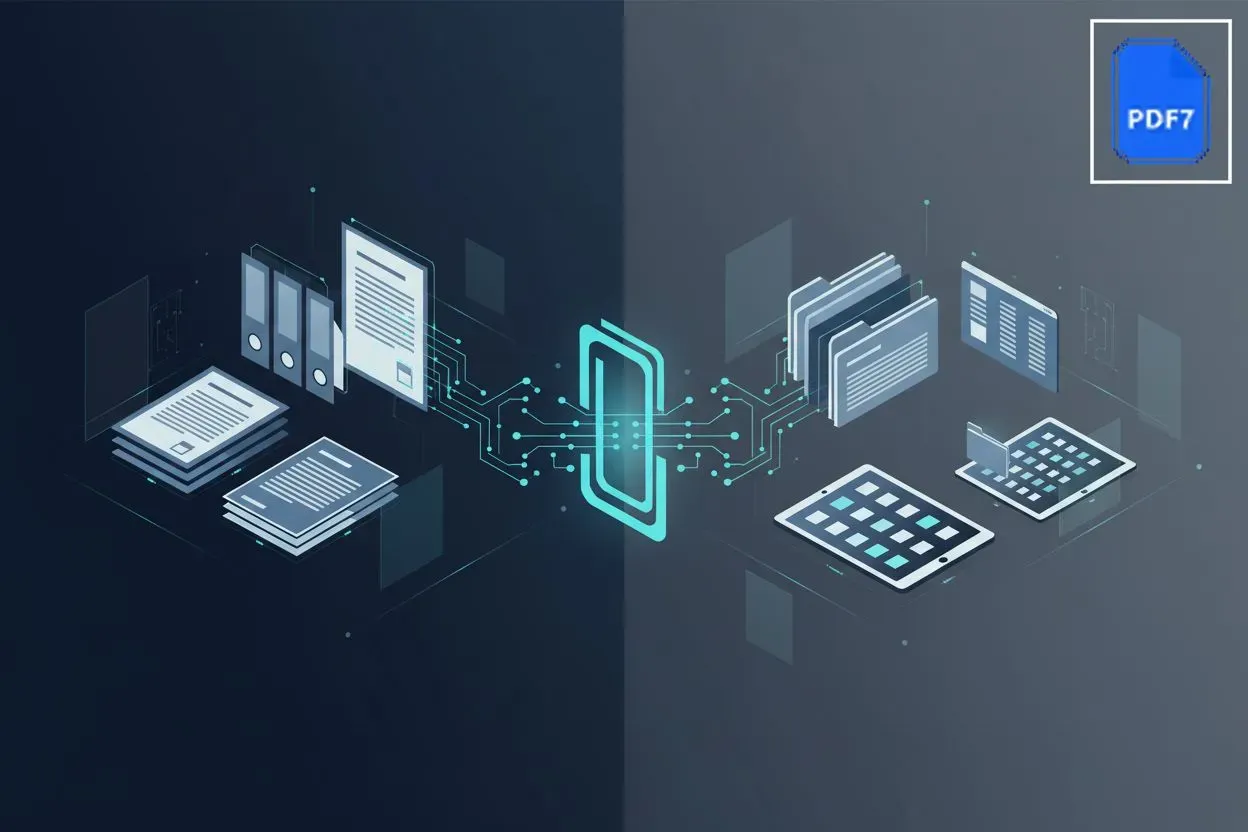
On this page
- Introduction to Legal Document Conversion
- Types of Legal Documents Requiring Conversion
- The Conversion Process: A Step-by-Step Guide
- Tools and Technologies for Legal Document Conversion
- Challenges in Legal Document Conversion
- Best Practices for Legal Document Conversion
- The Future of Legal Document Conversion
Key takeaways
- This article covers the ins and outs of legal document conversion services, from why they're essential for law firms and legal professionals to the different types of conversions available. It also explores the tools and technologies used in the process, challenges faced, and best practices to ensure accuracy, security, and compliance.
Introduction to Legal Document Conversion
Okay, so why bother converting legal docs? Think of all that paper shuffling… ain’t nobody got time for that!
Here’s the deal:
- Efficiency is key: Legal workflows get a serious boost. When documents are digitized and searchable, finding that crucial clause or piece of evidence takes seconds, not hours of sifting through paper. This frees up valuable time for lawyers and staff to focus on more strategic tasks.
- Accessibility for all: Making documents accessible helps everyone, especially those with disabilities. Digital formats can be easily adjusted for screen readers, magnification, or other assistive technologies, ensuring that legal information is available to a wider audience.
- Compliance isn’t optional: Staying compliant is crucial, and proper conversion helps big time. Converting documents into standardized, searchable formats makes it easier to adhere to retention policies, respond to discovery requests, and meet regulatory requirements, reducing the risk of penalties.
- Money talks: you know cutting costs is always a win. Reducing the need for physical storage, printing, and manual handling of paper documents can lead to significant cost savings. Plus, faster access to information can prevent costly delays and errors.
Next up, let’s dive into why this even matters, shall we?
Types of Legal Documents Requiring Conversion
Ever wonder what actually needs converting? It’s not just about making things look pretty, you know?
- Contracts, obviously: From NDAs to service agreements, they’re basically the bread and butter. Gotta make sure those clauses are searchable, right? Imagine needing to quickly find all contracts with a specific vendor or review termination clauses across your entire portfolio.
- Court filings are a big one: Think pleadings, motions—all that jazz. imagine trying to find a specific piece of evidence in a stack of paper! Digitizing these allows for rapid searching, cross-referencing, and easier collaboration with co-counsel or clients.
- Transcripts? Yep: Depositions, hearings… you name it. Converting audio to text? Huge time-saver, and makes things accessible. This allows for quick searching of witness statements, identifying key testimony, and even spotting inconsistencies.
- Legal correspondence? That too! Emails, letters–everything needs to be properly archived and searchable. Having a centralized, searchable repository for all communications is vital for case management and dispute resolution.
- And don’t forget wills and trusts. Keeping those up to date and accessible is super important for everyone involved. Ensuring these critical documents are easily retrievable and can be securely shared with beneficiaries or executors is paramount.
Basically, anything that’s gonna end up in court (or could end up in court) needs to be easily accessible. Next up, let’s look at formats.
The Conversion Process: A Step-by-Step Guide
So, you’ve got your documents ready. Now what? This is where the magic, or uh, the conversion, actually happens.
Here’s a simplified breakdown:
- OCR (Optical Character Recognition) is your friend: This technology scans your documents and turns images into actual text, which is super important for making those documents searchable. Think of it like teaching a computer to read! It’s the foundation for making scanned paper documents digitally usable.
- Manual conversion: Sometimes it’s gotta be done by hand: Especially with super complex or sensitive documents, a human touch is needed to ensure everything is accurate. It’s tedious, sure, but accuracy matters most here, right? This is crucial for ensuring that intricate formatting, handwritten notes, or highly confidential information is captured perfectly.
- Automated tools can speed things up: There are plenty of software options out there that can handle batch processing, which can save a ton of time when you’re dealing with massive amounts of paperwork. These tools are great for converting large volumes of standard documents efficiently.
Many organizations are using document conversion to streamline their workflows. According to FindLaw, it’s an important aspect of law practice, especially for ediscovery. This process is becoming integral to modern legal operations, enabling faster access to information for litigation and everyday practice.
Next, we’ll look at what happens after the conversion.
Tools and Technologies for Legal Document Conversion
Legal eagles, listen up! What tech do you need to wrangle those documents? It’s more than just hitting ‘convert’ and hoping for the best, y’know?
- Software solutions: Think pdf processing tools for editing, annotating, and organizing PDFs, and document management systems for, well, managing, version control, and secure storage of all your converted files.
- OCR software: Turns scanned images into searchable text. Huge for old case files. These tools are essential for making scanned documents usable for searching and analysis.
- File format conversion tools: Handles everything from .doc to PDFs, and other formats. These ensure compatibility across different platforms and software.
Next, let’s float to the clouds…
Challenges in Legal Document Conversion
Okay, so converting legal docs ain’t always smooth sailing, right? There are definitely some bumps along the way.
- Maintaining the original formatting is a HUGE challenge. Think trying to keep a complex contract looking exactly the same after conversion. That’s tough! Preserving intricate layouts, fonts, and spacing can be tricky.
- Handling complex layouts? Ugh, don’t even get me started. Tables, exhibits, special characters—it’s a recipe for disaster if you’re not careful. These elements often don’t translate well without specialized handling.
- And then there’s avoiding errors during ocr. ai isn’t perfect, you know? Sometimes it misreads characters and messes everything up. This can lead to incorrect data or misinterpretations if not caught.
Security and Compliance Challenges
- Protecting sensitive info is paramount. Legal documents are, like, the definition of confidential, so security is non-negotiable. Safeguarding client data is a top priority.
- You also gotta think about compliance with data protection laws. gdpr, anyone? Ensuring your conversion process meets all relevant privacy regulations is essential.
- Secure file transfer is another biggie. You can’t just email these things around willy-nilly. Using encrypted channels and secure platforms is critical to prevent breaches.
So, what’s next? Let’s talk about how cloud solutions can help.
Best Practices for Legal Document Conversion
Okay, so you’ve converted your legal documents. Now what? Here’s how to keep things shipshape.
Accuracy
- Double-checking? Non-negotiable. Think of it like proofreading, but on steroids. It’s easy for OCR to make mistakes, so get a human to verify everything. This ensures the integrity of the information.
- Using reliable conversion tools matters. Seriously, don’t skimp on this. Invest in software that’s known for its accuracy and reliability.
- Training staff on best practices is important, too. Make sure everyone knows the process and why accuracy is key. Proper training minimizes errors and ensures consistency.
Security
- Implement access controls. Not everyone needs to see everything, you know? Limit access to only those who need it. This principle of least privilege is vital for protecting sensitive data.
- Encryption is also critical. This protects sensitive information during storage and transfer. Both at rest and in transit, data should be secured.
- Regular security audits? Yep. Always be checking to make sure everything is locked down tight. Proactive security checks help identify and address vulnerabilities before they can be exploited.
Compliance
- Adhering to legal and regulatory requirements is a must. There’s no wiggle room here. Stay informed about all applicable laws and standards.
- Maintaining proper documentation is part of compliance, too. Keep records of everything. This includes audit trails and conversion logs.
- Staying updated on industry standards helps you avoid potential headaches. Best practices and standards evolve, so continuous learning is important.
So, you’ve got your converted documents, they’re accurate, secure, and compliant. What’s next?
The Future of Legal Document Conversion
The legal world? It’s not exactly known for being cutting-edge, right? But even it’s getting a makeover thanks to tech.
Here’s a peek at what’s coming:
- AI is stepping up: Think smarter text processing ai that reduces errors and speeds things up. Imagine ai flagging potential issues in contracts before they become problems, or ai assisting with automated document summarization for quick case reviews. ai can also help with intelligent data extraction, pulling key information from documents automatically.
- Cloud-based solutions: Accessing documents from anywhere, securely. This means lawyers can collaborate on cases, even from different continents, without missing a beat. It also enables easier scalability and disaster recovery.
- Mobile is huge: Accessing and editing legal documents on tablets or phones. This is especially helpful for lawyers on the go, who need to review case files or contracts while traveling. It boosts productivity and responsiveness.
So, legal document conversion? It’s not just about going paperless. It’s about staying competitive and providing better, more efficient service to clients.